
Custom Parts, Connected Manufacturing
One Partner . Six Connected Capabilities
Manufacturing Capabilities
Start with the part you need, then choose the process that creates its shape and the secondary work that makes it ready to use. JUNCHU coordinates six connected service areas, with a focus on aluminum components and the metal or plastic parts that complete an assembly.
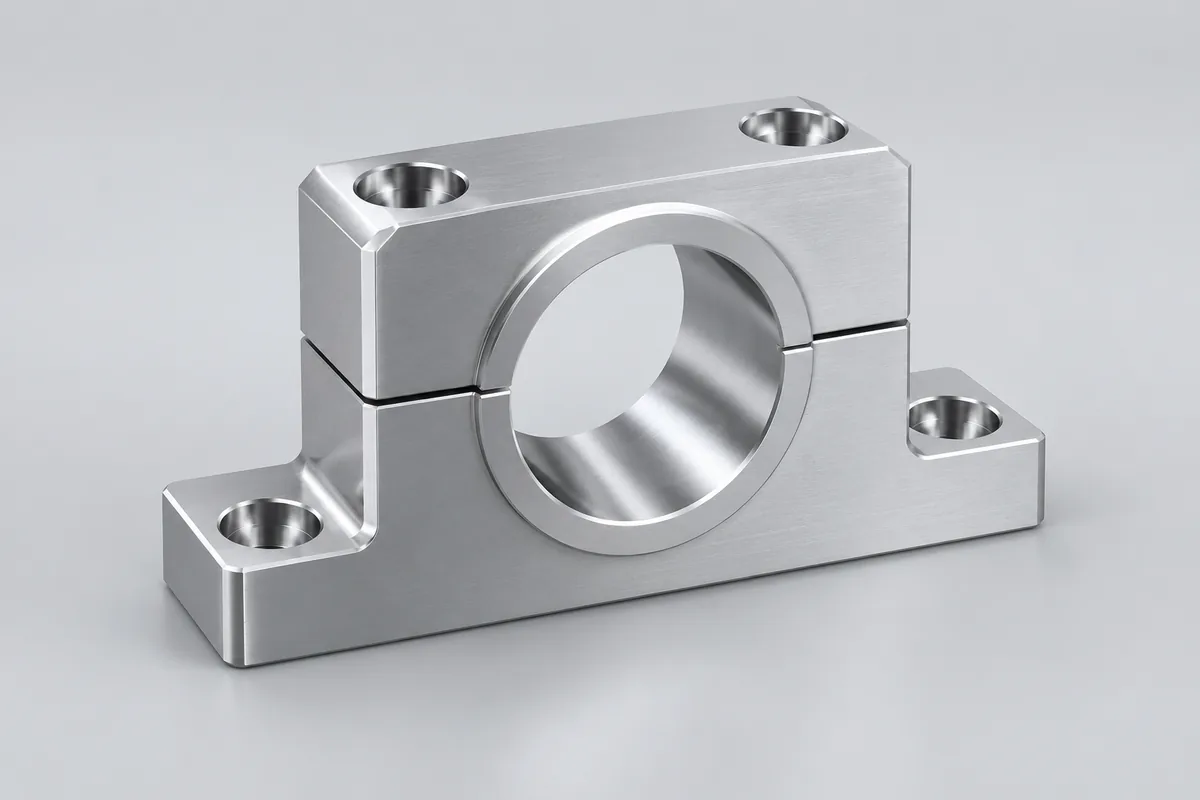
CNC Machining
Milling for pockets, faces and hole patterns; turning for shafts, bushings and threads. Suitable for drawing-based prototypes, fixtures and repeat-order metal or plastic parts.
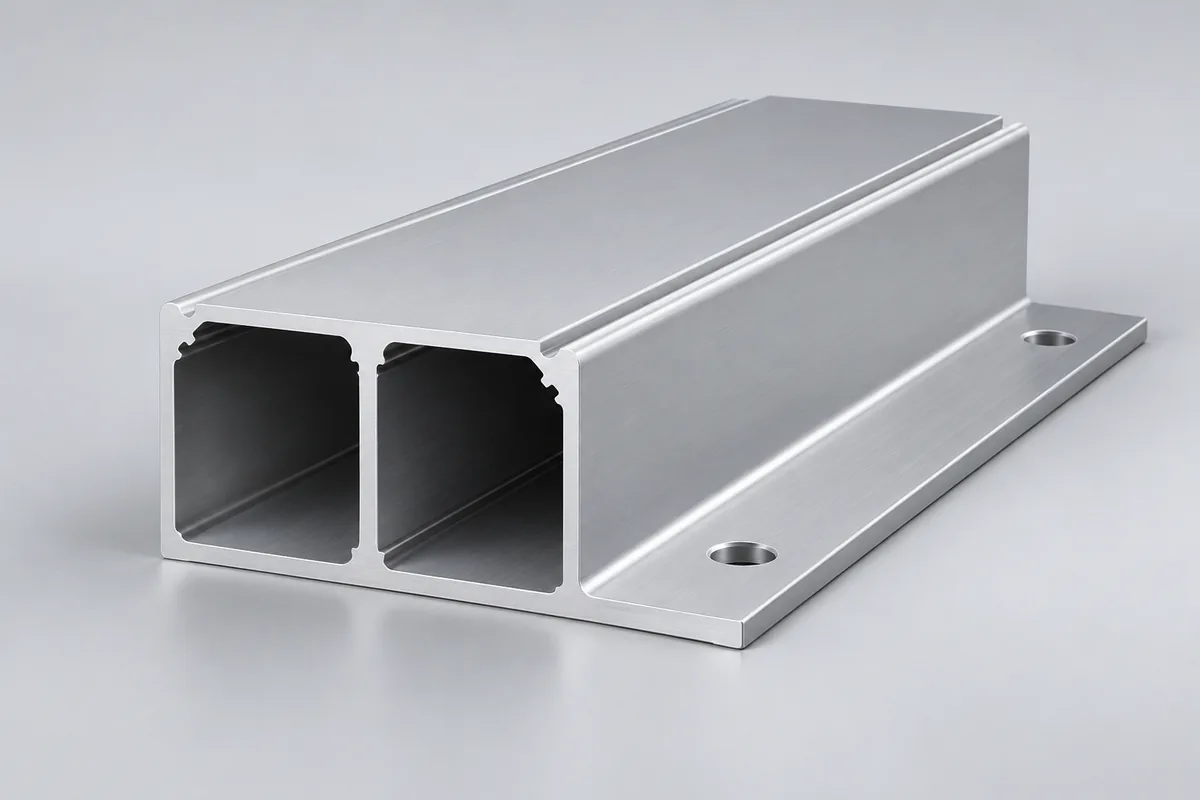
Custom Extrusion
Profiles with a constant cross-section for frames, rails, housings and tubes. Combine die review with cut lengths, drilled or tapped features, anodizing and assembly.
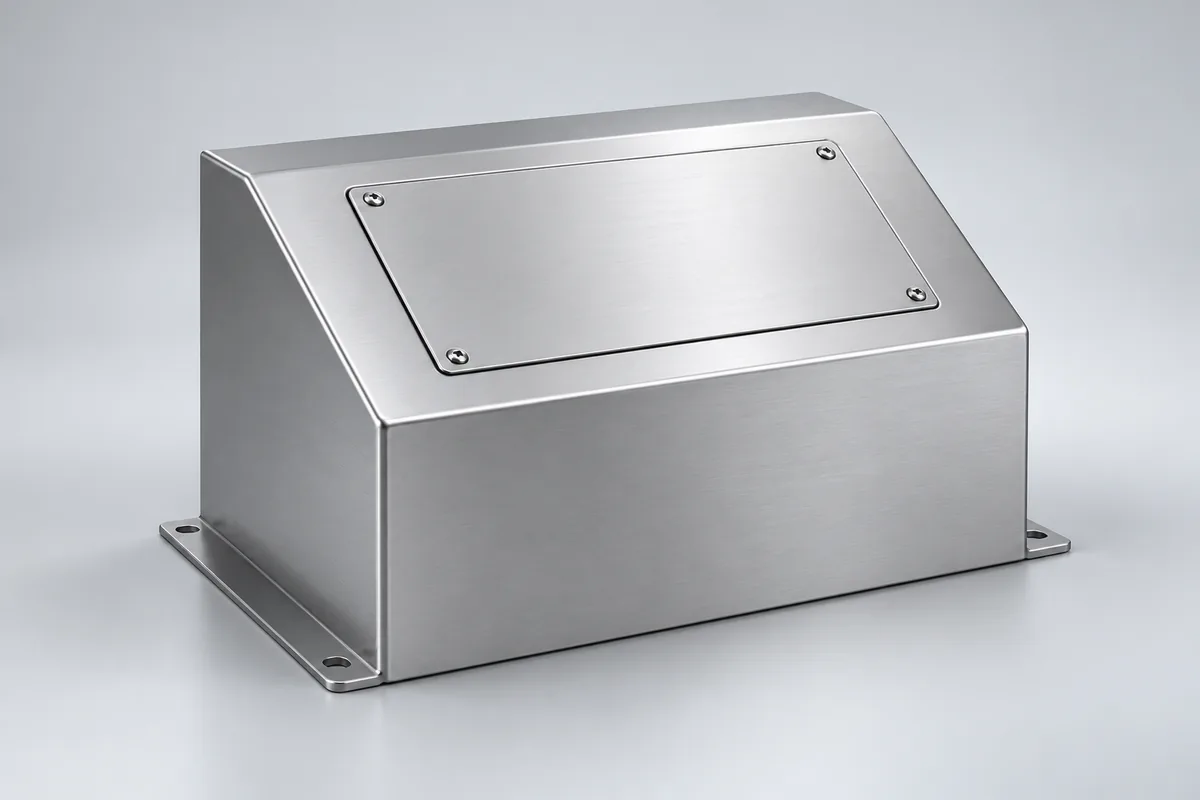
Sheet Metal Fabrication
Laser-cut blanks formed into panels, covers, mounting brackets and enclosures, with joining, inserts, edge finishing and coating planned around the finished part.
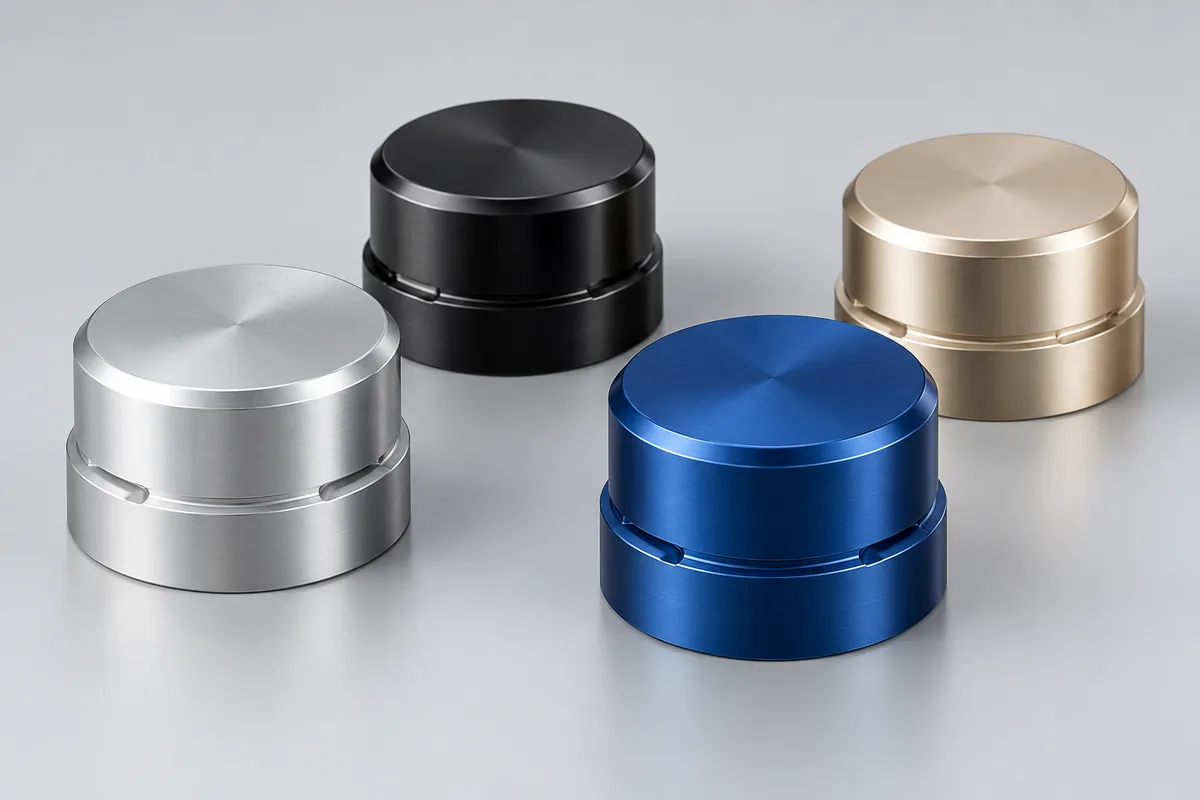
Surface Finishing
Anodizing for suitable aluminum parts, powder coating for specified color and texture, and other substrate-compatible treatments for appearance or function.
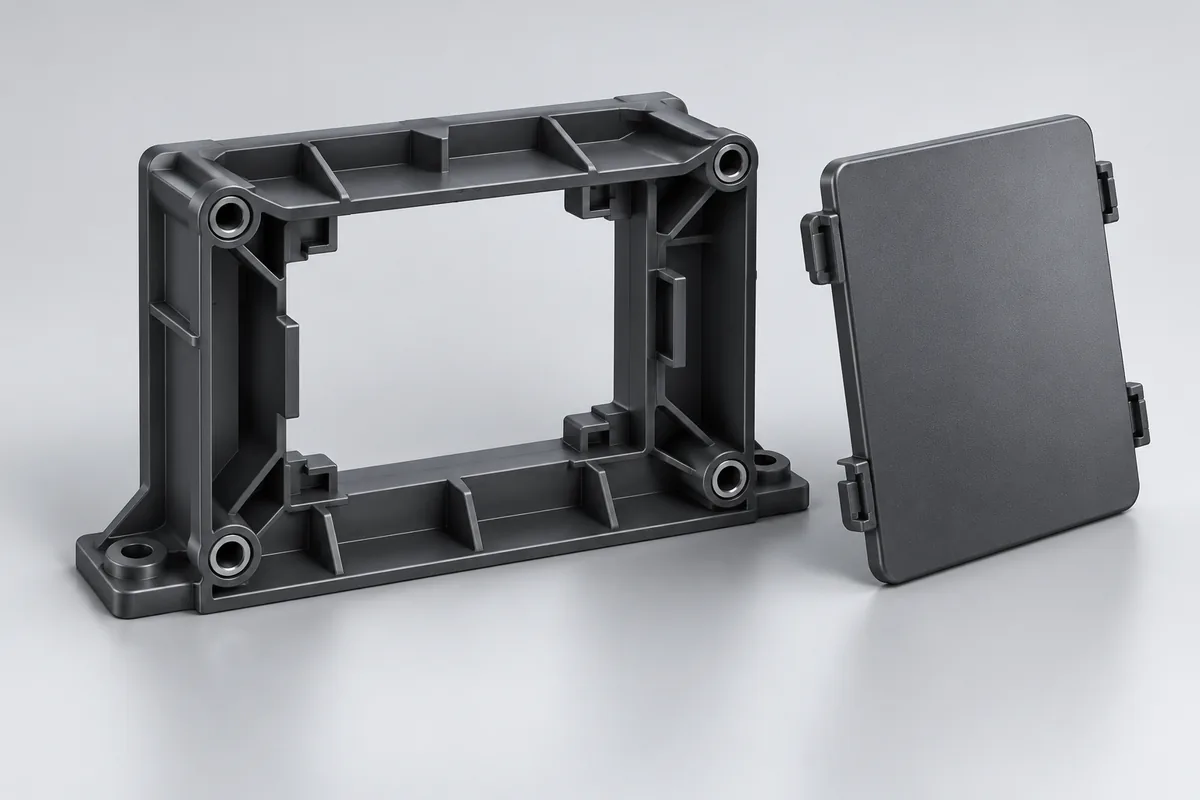
Injection Molding
Resin and tooling development for repeatable plastic covers, housings, clips and fittings. The route includes design review, trial samples and production approval.
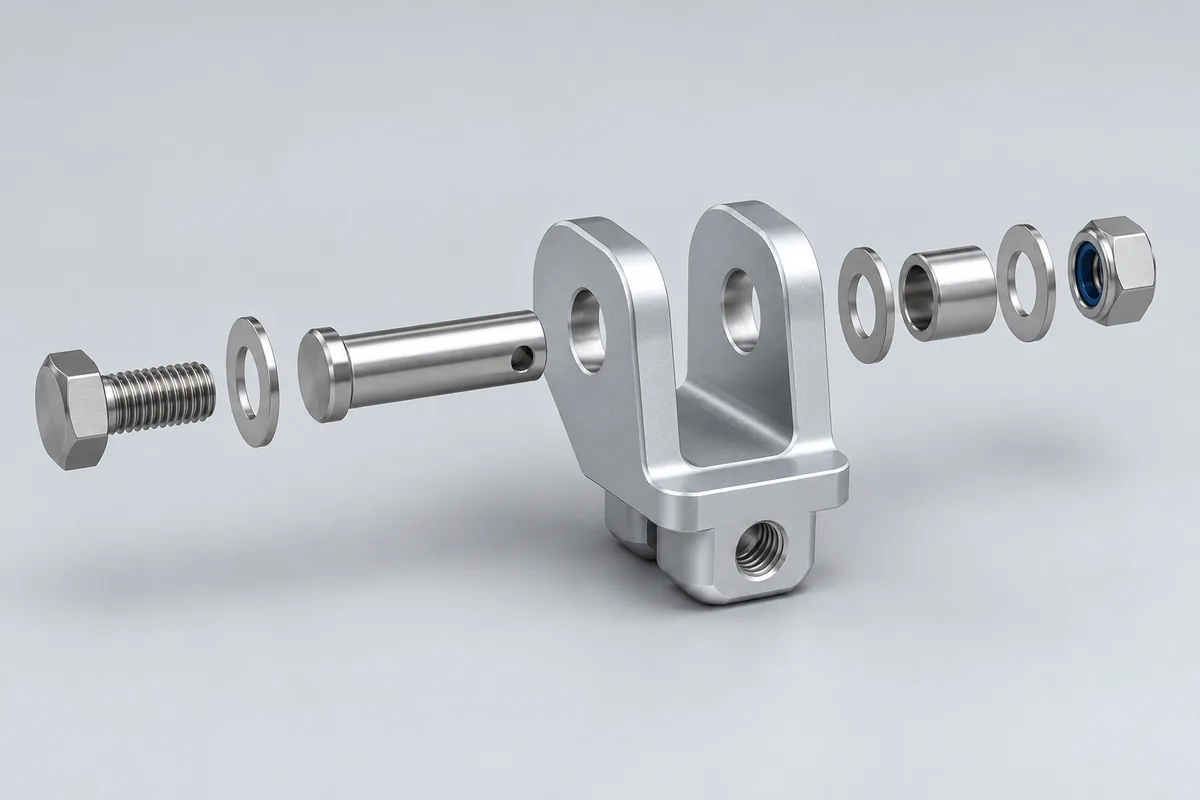
Mechanical Assembly
Machined, extruded, formed and molded components combined with specified hardware into frames, housings or other mechanical subassemblies.
Choose a process
around the part.
CNC machining removes material for detailed features.Extrusion creates a repeated profile section.Sheet fabrication cuts and forms thin stock.Molding forms plastic parts in a dedicated tool.Quantity, geometry and final fit guide the choice.
Aluminum Alloys
Stainless Steel
Carbon Steel
Brass & Copper
POM
Nylon
Project-specific plastics
Anodizing · Coating · Plating · Appearance Control
Confirm finish specification, masking, color, surface zones and dimensional
impact during quotation.
MULTI-PROCESS PROJECTS
One project. Fewer handoffs.
An aluminum enclosure may start as an extrusion, receive CNC-machined openings and threads, then be anodized and fitted with covers and hardware. We coordinate the drawing revisions, mating dimensions and process sequence so each operation supports the final assembly.
01
02
03
04
Profile
Create the main cross-section or formed shape
Machine
Add pockets, holes, threads and precise interfaces
Finish
Apply the specified color, texture or protective treatment
Assemble
Fit covers and hardware, inspect and protect for shipment
Before You Start Your Project
Manufacturing Route Questions
Understand how geometry, quantity and finished interfaces connect the six service areas.
Ready To Start Your Project?
Start With Your Drawings - or Tell Us What You Need
Share drawings, photos or sketches with your quantity, material, finish and target date. We review the available information, clarify technical requirements and confirm quotation timing. Complex or multi-process projects may require additional review.
Discuss confidentiality and NDA requirements before sharing sensitive project files.