
Material Selection for Machined & Molded Parts
Engineering Plastics & Composite Materials
Engineering plastics can reduce weight, provide electrical insulation, improve sliding behavior or create transparent covers. Their behavior depends on the exact resin, additives, moisture, temperature and production route. Compare the eight families below; FR-4 is a thermoset glass-epoxy laminate, while the other listed families are thermoplastics. Stock availability and suitability for your drawing are reviewed per project.
Send the part drawing, quantity, operating conditions and preferred resin or laminate grade for a material and process review.
Discuss confidentiality and NDA requirements before sharing sensitive project files.
Start with the Operating Conditions
Specify the Grade & Process
Eight Material Families Explained
Match the polymer to its job
01
ABS
ABS suits equipment covers, housings and appearance prototypes, combining toughness, rigidity and a surface that can be finished. It can be machined from stock or molded.
Selection: specify the grade for heat, UV, solvent or flame requirements. Machined and molded parts need separate validation.
02
POM (Acetal)
POM is a stiff, machinable choice for gears, bushings, locating pieces and sliding mechanisms. Low moisture uptake helps dimensional stability.
Selection: distinguish POM-C, POM-H and modified wear grades. Define load, running clearance, counterface, lubrication and operating temperature.
03
Nylon (PA)
PA6 and PA66 are common options for rollers, guides, bushings and loaded wear components. Filled grades change stiffness and wear behavior.
Selection: moisture absorption can change dimensions and fit. Specify grade, service humidity and inspection condition; distinguish cast or extruded stock from molding resin.
04
Polycarbonate (PC)
PC is often considered for tough transparent covers, viewing windows and equipment components where impact resistance matters. Clear and opaque grades serve different needs.
Selection: review cleaners, residual stress, scratching and UV exposure. Define optical finish and any protective coating; transparency alone does not establish a safety rating.
05
Acrylic (PMMA)
PMMA suits display windows, clear covers and visual prototypes where transparency and polished appearance are priorities. Cast and extruded stock can machine differently.
Selection: compare impact and notch sensitivity with PC. Review corner radii, screw loads, cleaner compatibility and whether machined or polished surfaces are required.
06
Polypropylene (PP)
PP is a low-density thermoplastic for compatible chemical-service parts, covers, spacers and molded components. Homopolymer and copolymer grades differ in stiffness and impact behavior.
Selection: check chemical concentration, temperature, creep and thermal expansion. Living-hinge behavior must be validated in the intended molded design.
07
PVC
Rigid PVC, often PVC-U, is used for machined or fabricated panels, fittings and compatible chemical-service components. Flexible PVC is a different formulation.
Selection: identify PVC-U, PVC-C or flexible material explicitly. Chemical concentration, service temperature, impact exposure and joining method determine suitability.
08
FR-4 Composite
FR-4 is a cured glass-fabric epoxy laminate for insulating plates, spacers, supports and machined electrical components. It is cut or machined from laminate rather than injection molded.
Selection: specify laminate grade, thickness, edge quality and electrical requirements. Review exposed glass edges and delamination risk.
From Polymer Family to a Production Specification
Use the material cards as an initial comparison. The production specification should identify the exact grade and conditions that matter to the part.
Service Conditions
Define load, sliding speed, temperature, humidity, chemical exposure, transparency and electrical requirements.
Grade & Additives
Identify resin or laminate grade, reinforcement, lubricants, color and any required UV or flame performance.
Process & Dimensions
Select machined stock, molding resin or laminate. Review shrinkage, moisture conditioning, stress and finished-part measurement.
Evidence & Validation
Check the exact grade datasheet and required records, then validate critical fit or performance with a suitable sample.
From Part Design to Process Planning
Custom Manufacturing Applications
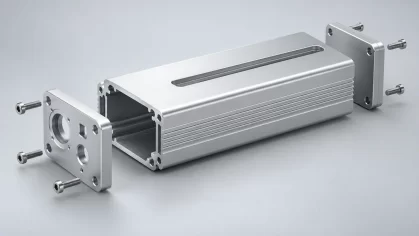
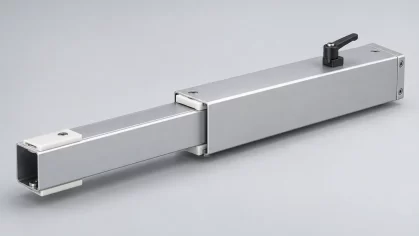
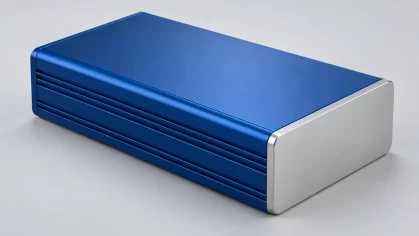
Explore typical component designs, process combinations and quality considerations to help prepare your own manufacturing requirements.
Before You Start Your Project
Plastic & Composite Selection Questions
Understand moisture, processing and grade differences before selecting a polymer.
Ready To Start Your Project?
Start With Your Drawings - or Tell Us What You Need
Share drawings, photos or sketches with your quantity, material, finish and target date. We review the available information, clarify technical requirements and confirm quotation timing. Complex or multi-process projects may require additional review.
Discuss confidentiality and NDA requirements before sharing sensitive project files.