
Custom Components for Packaging Equipment
Packaging Machinery
Packaging machinery uses guides, change parts, mounting components and guards that must fit the product path and support efficient changeovers. JUNCHU coordinates machined metal and polymer parts with profiles and formed panels. Material selection follows the actual contact, wear and cleaning conditions of the equipment.
Guides · Change Parts
Mounts · Guards
TYPICAL COMPONENTS
POM · Nylon
Aluminum · Stainless
MATERIAL OPTIONS
Wear · Adjustment
Cleaning Access
DESIGN PRIORITIES
Product Path
Changeover References
DRAWING INPUTS
Plan for the Product Path & Changeover
Share the machine interface and product format so guide geometry, adjustment and replacement parts can be considered together.
Define the Format
Identify the product contact surfaces, format dimensions and locating references used during a changeover.
Choose the Route
Match polymer machining, metal components and fabricated supports to wear and cleaning exposure.
Check Installation
Verify mounting, adjustment travel and the clearances defined in the assembly drawing.
Identify Matched Sets
Specify part marks and packing by format or machine station where this helps installation.
Application Requirements
Components for Packaging Machinery
Guides, format parts, brackets and guards must relate to the actual product path and machine station. Review contact surfaces, adjustment ranges and cleaning exposure together. Use part numbers and locating references that make matched changeover sets and later replacements easy to identify.
Select materials around friction, contact conditions and operating temperature. Food-contact or cleaning-chemical requirements must be specified and verified for the exact grade.
Packaging Equipment Priorities
Design for motion, changeovers and cleaning
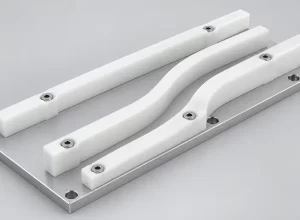
Product Contact
State contact type, surface sensitivity and any food-contact requirement for the exact material grade and application.

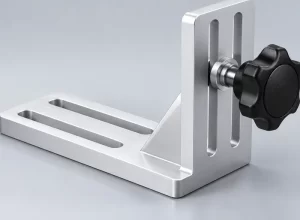
Sliding & Wear
Define the moving counterpart, load, speed and lubrication before selecting guide or wear-part material.
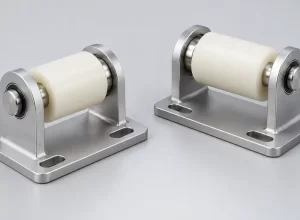
Repeatable Changeover
Use common locating faces, pins and stops so replacement format parts can be set up using defined references.
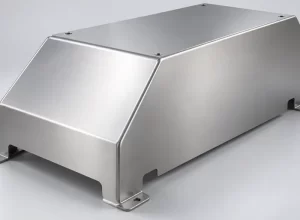
Cleaning Exposure
Describe chemicals, concentration, temperature and wash conditions; material families alone do not establish compatibility.
Application-Specific Design & Inspection
Focus on parts that affect repeatable setup
Guide and change-part geometry must work with the actual machine and product format. Identify these interfaces in the drawing package.
01
Guide Profiles
Define the product path, contact faces and edge treatment to avoid unintended contact with delicate surfaces.
02
Polymer Grades
Compare POM, nylon and other specified grades using wear duty, moisture, temperature and cleaning exposure.
03
Adjustment Features
Check slots, scales or stop positions against the required range and access for tightening.
04
Replacement Consistency
Link each format part to a drawing revision and machine reference so a later order can be installed consistently.
05
Guards & Panels
Plan service openings, edges and mounting. Guard effectiveness is part of the complete machine safety design.
06
Part Identification
Specify format numbers, orientation and station identifiers where mixed parts could complicate installation.
Ready To Start Your Project?
Discuss Your Packaging Machinery Components
Provide the machine station or format reference, product-path drawing, locating features, adjustment range and mating components. Describe wear duty, cleaners and contact requirements for the exact material grade. Identify matched sets, orientation marks, replacement quantities and the installation checks required for approval.
Discuss confidentiality and NDA requirements before sharing sensitive project files.