
Custom Parts for Machinery & Maintenance
Industrial Machinery
Machinery components need the right fit, wear behavior and installation geometry for their job. JUNCHU coordinates shafts, bushings, mounting plates, fabricated guards and supporting components from the approved drawings. New equipment and replacement-part projects benefit from a clear description of how the part locates, carries load and is serviced.
Shafts · Bushings
Plates · Guards
TYPICAL COMPONENTS
Steel · Stainless
Aluminum · Polymers
MATERIAL OPTIONS
Fits · Wear
Service Access
DESIGN PRIORITIES
Condition · Runout
Finished Dimensions
DRAWING INPUTS
Plan Parts Around Machine Function
Describe the mating components, duty and maintenance needs before choosing stock, heat treatment or finish.
Define the Fit
Provide mating diameters, locating faces and the bearing or bush reference where relevant.
Sequence the Work
Coordinate machining, any specified heat treatment and finishing around final dimensions.
Check the Interface
Inspect the locating and running features in the condition defined on the drawing.
Prepare for Service
Protect bearing seats and finished faces, and identify replacement items as specified.
Application Requirements
Components for Industrial Machinery
Shafts, bushings, mounting plates and fabricated supports should be specified around their role in the machine. Review the bearing or sliding fit, material condition, lubrication and service access. Replacement work also needs a clear distinction between the original nominal geometry and dimensions measured on a worn component.
Specify the bearing or mating fit, runout, thread and wear requirements. Identify any heat treatment before machining is planned.
Machinery Design Priorities
Connect the part drawing to the machine duty
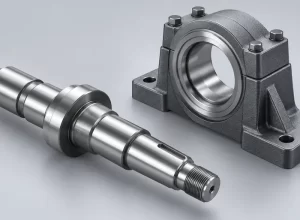
Loads & Duty
State whether the component locates, supports, rotates or slides, with relevant loading and operating conditions.

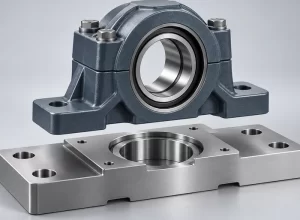
Material Condition
A steel grade alone does not define hardness or heat-treatment condition. Include the condition required in the finished part.
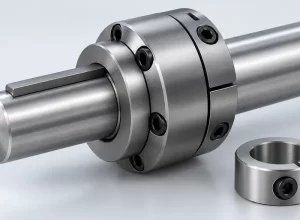
Lubrication & Wear
The counterface, lubrication and contaminants affect the choice of bush, guide and sliding-part material.
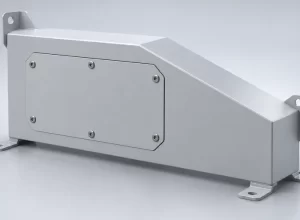
Maintenance Fit
Define installation access, removal needs and reference dimensions used to match a replacement part.
Application-Specific Design & Inspection
Focus inspection on function and service
Machinery parts often depend on a few critical interfaces. Identify them clearly while keeping nonfunctional dimensions practical.
01
Shaft & Bearing Seats
Relate bearing seats, shoulders and runout to the locating axis. Specify thread and groove details where needed.
02
Bushes & Guides
Set the required fit in relation to both housing and moving member, allowing for service temperature and lubrication.
03
Mounting Plates
Reference bolt patterns and locating features from the surfaces used during installation.
04
Fabricated Supports
Review joint access and post-weld dimensions where distortion could affect mounting or alignment.
05
Replacement Parts
A worn sample may not represent the original nominal size. Resolve fits and uncertain dimensions before manufacturing.
06
Surface Protection
Protect functional seats during coating and shipping; define temporary corrosion protection where required.
Ready To Start Your Project?
Discuss Your Industrial Machinery Components
Provide mating diameters, bearing or bush references, runout requirements, material condition and any heat treatment. For replacements, include available drawings, service history and photographs of the locating interfaces. Identify uncertain dimensions and agree how the nominal fit will be confirmed before manufacture.
Discuss confidentiality and NDA requirements before sharing sensitive project files.