
Metal Materials for Custom Components
Metal selection starts with the job a part must do: carry a load, resist corrosion, transfer heat or electricity, or provide a clean cosmetic surface. Compare the families below, then match the exact grade and supplied condition to machining, extrusion or sheet fabrication. JUNCHU coordinates aluminum-focused projects and related custom metal components; material availability and documentation are confirmed with the quotation.
6061 · 6063
5052 · 6082
ALUMINUM EXAMPLES
Steel · Stainless
Brass · Copper
OTHER METAL FAMILIES
Machine · Extrude
Cut · Bend
PROCESS COMPATIBILITY
Grade + Temper
Product Form
SPECIFY TOGETHER
Choose by Function & Environment
Define the Material on the Drawing
Metal Families & Common Grade Choices
Which metal suits your component?
01
Aluminum Alloys
6061: a useful starting point for machined housings, mounting plates and structural brackets. Specify temper as well as alloy.
6063: often chosen for extruded rails, frames and enclosure profiles where section shape and anodized appearance matter.
5052: commonly considered for formed sheet covers and brackets. Bendability depends on temper, thickness and bend radius.
6082: an alternative for strength-oriented structural components where the required product form is available.
A grade suited to extrusion is not automatically the best choice for a tight sheet-metal bend. Select alloy, temper, stock form and finish together.
02
Stainless Steel
304 / 304L: common starting points for general equipment panels, brackets and fabricated housings.
316 / 316L: molybdenum-bearing options often considered where improved resistance to chloride-related pitting is needed. They are not immune to corrosion.
Choose using the actual chemicals, concentration, temperature and cleaning conditions. Brushed grain direction, weld cleanup and any passivation should be defined separately from the alloy. For welded components, review the appropriate low-carbon grade and weld procedure.
03
Carbon Steel
Low-carbon sheet and structural grades: practical options for fabricated frames, brackets and coated equipment panels.
Medium-carbon grades: may suit machined shafts or pins where a different strength or heat-treatment response is required.
Carbon steel usually needs a corrosion-protection plan. Specify paint, powder coating, plating or another suitable treatment, including masked fits and contact faces. Grade names from different national standards should be checked against the actual specification rather than treated as automatic equivalents.
04
Brass & Copper
Brass: a copper-zinc alloy family used for turned fittings, threaded inserts, spacers and decorative details. Machinability and lead content vary by grade.
Copper: often selected for electrical contacts, conductive plates and heat-transfer components. Grade, temper and contact condition affect performance and fabrication.
Brass and copper are not interchangeable. Define conductivity or strength needs, plating, contact faces and any composition restrictions on the drawing. Review burr control and protection against handling marks for soft conductive parts.
Four Decisions Before Ordering Metal Parts
A material family is only the starting point. These four decisions connect the specification to the finished component.
Function & Exposure
Define load, wear, corrosion exposure, operating temperature and any heat-transfer or electrical-contact function.
Grade & Stock Form
State the alloy or steel grade, temper or heat-treatment condition, and whether the starting form is sheet, plate, bar or profile.
Process & Final Fit
Compare machining, forming and extrusion. Identify dimensions that apply after heat treatment or surface finishing.
Evidence & Approval
Specify required material records, approved alternatives and inspection requirements before the order is released.
From Part Design to Process Planning
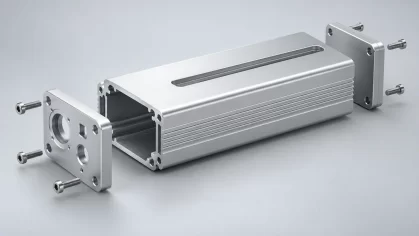
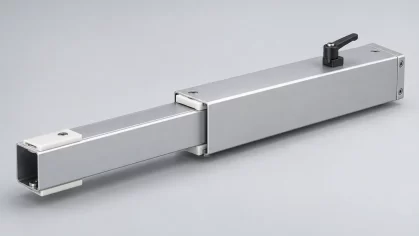
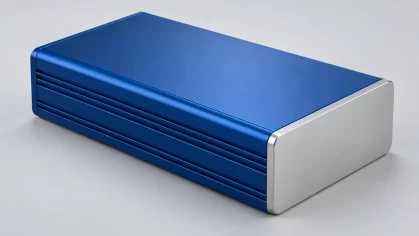
Custom Manufacturing Applications
Explore typical component designs, process combinations and quality considerations to help prepare your own manufacturing requirements.
Before You Start Your Project
Metal Selection Questions
Practical differences that affect alloy choice, processing and the final specification.
Ready To Start Your Project?
Start With Your Drawings - or Tell Us What You Need
Share drawings, photos or sketches with your quantity, material, finish and target date. We review the available information, clarify technical requirements and confirm quotation timing. Complex or multi-process projects may require additional review.
Discuss confidentiality and NDA requirements before sharing sensitive project files.