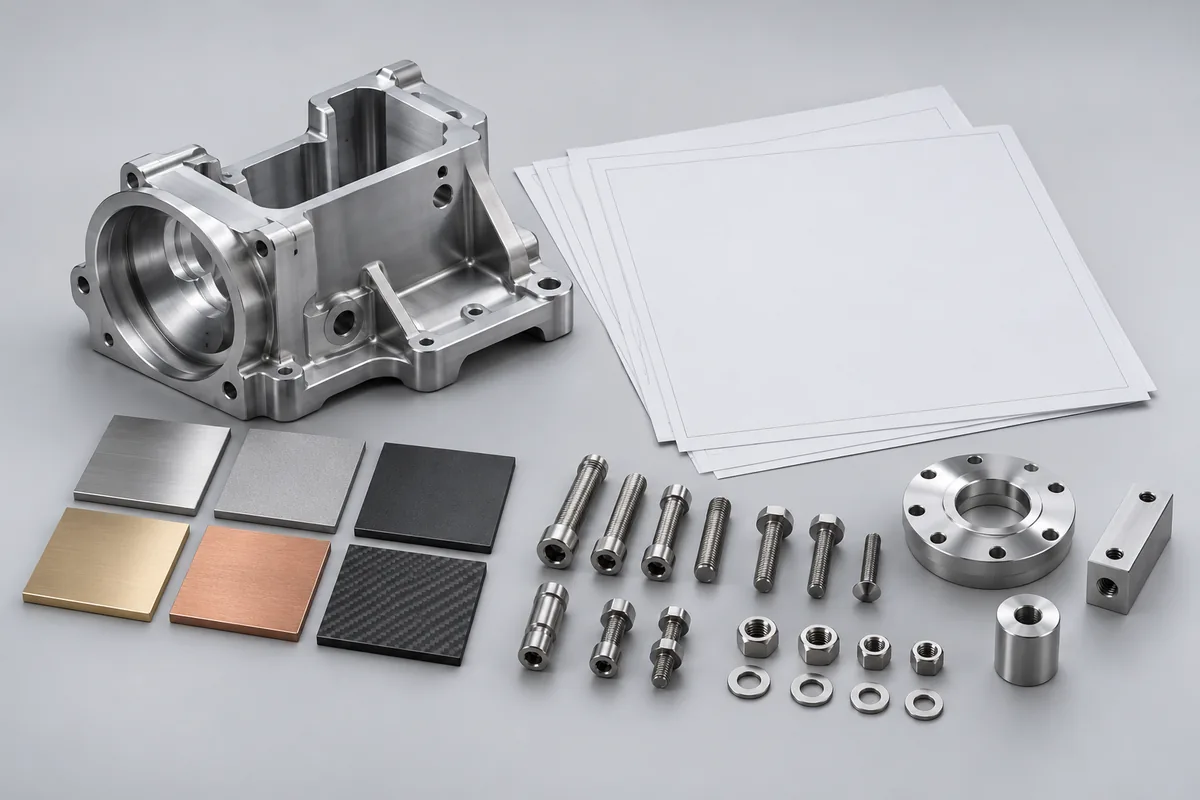
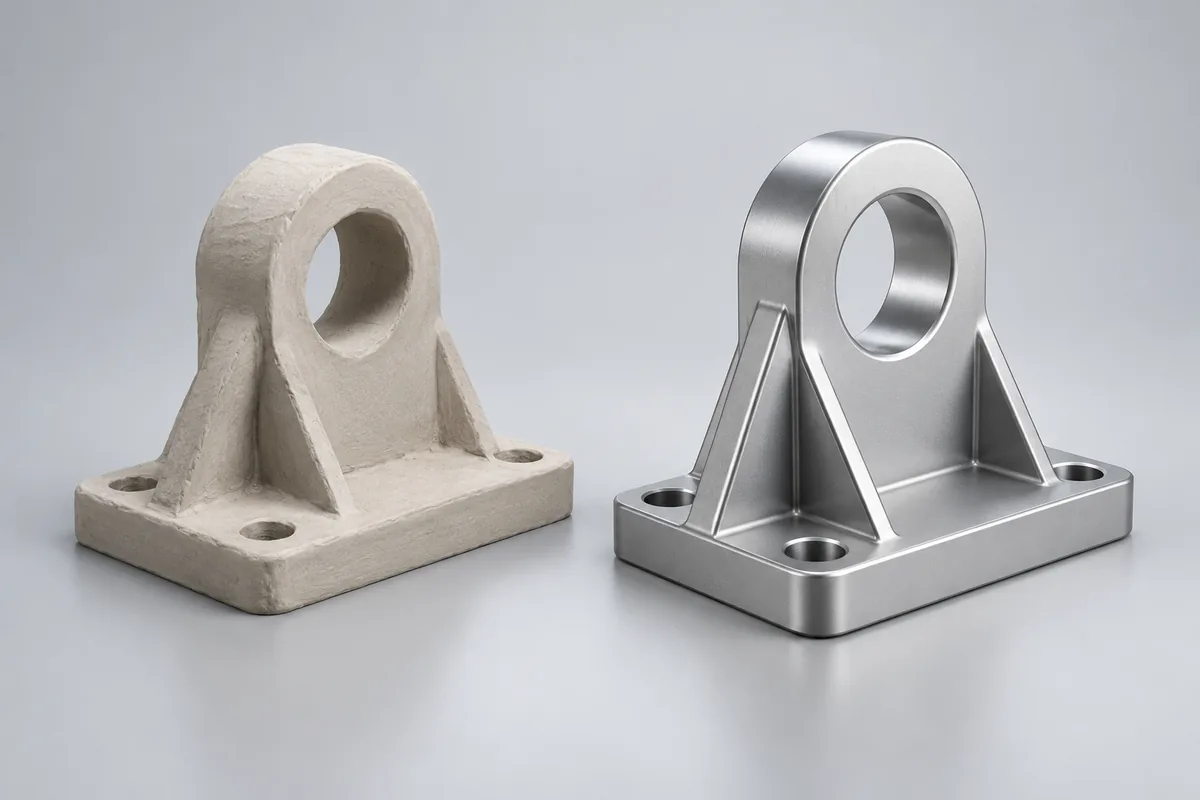
1. Identify Every Part and Revision Include a part number, description, drawing revision and quantity for each item. Send a dimensioned PDF alongside a STEP or IGES model when available. A 3D…
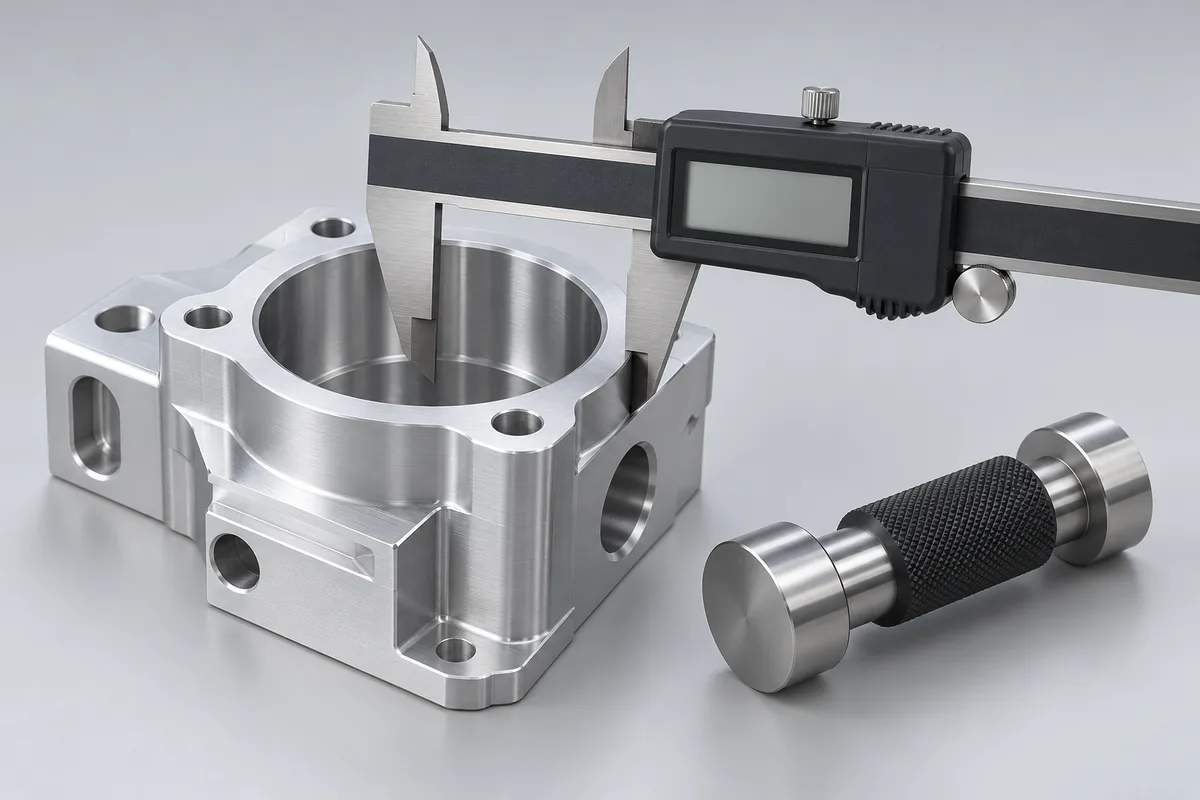
Start with function. Mark the faces and features that locate, mate, seal, slide or support another component. Use datums that describe those relationships and can be reached during manufacturing and inspection. Distinguish…
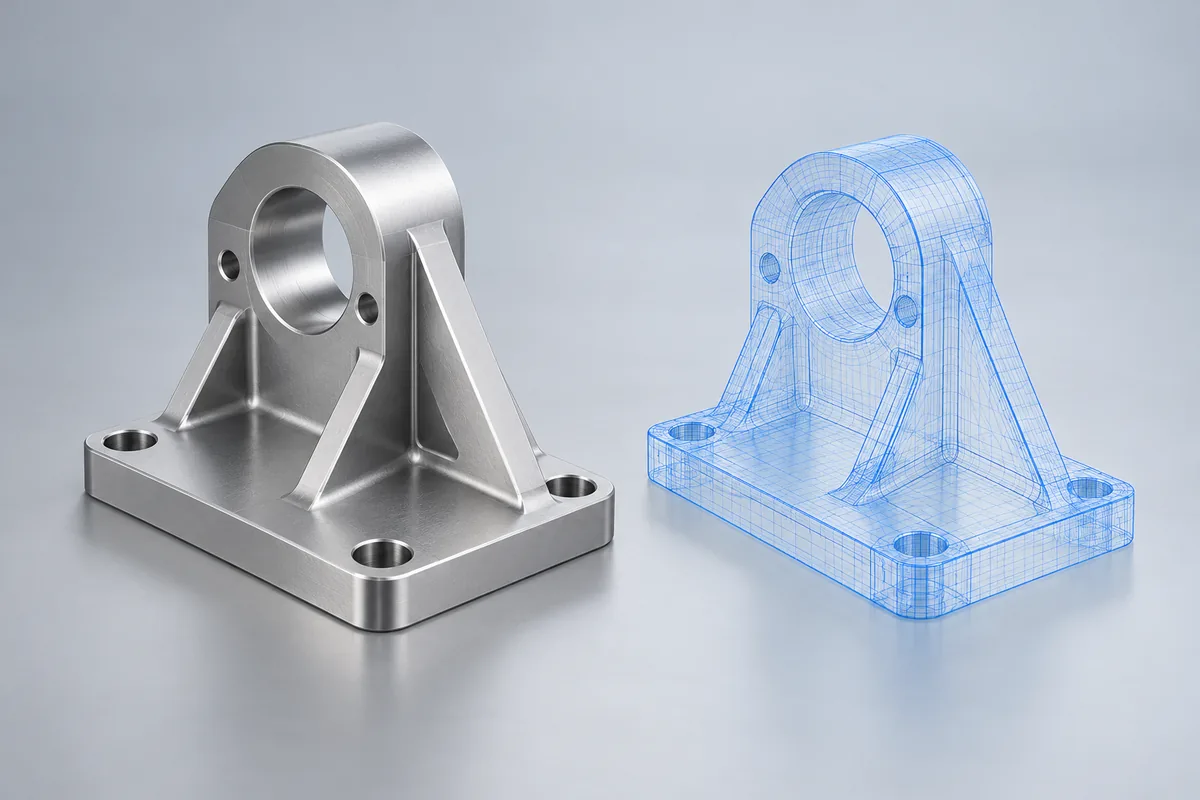
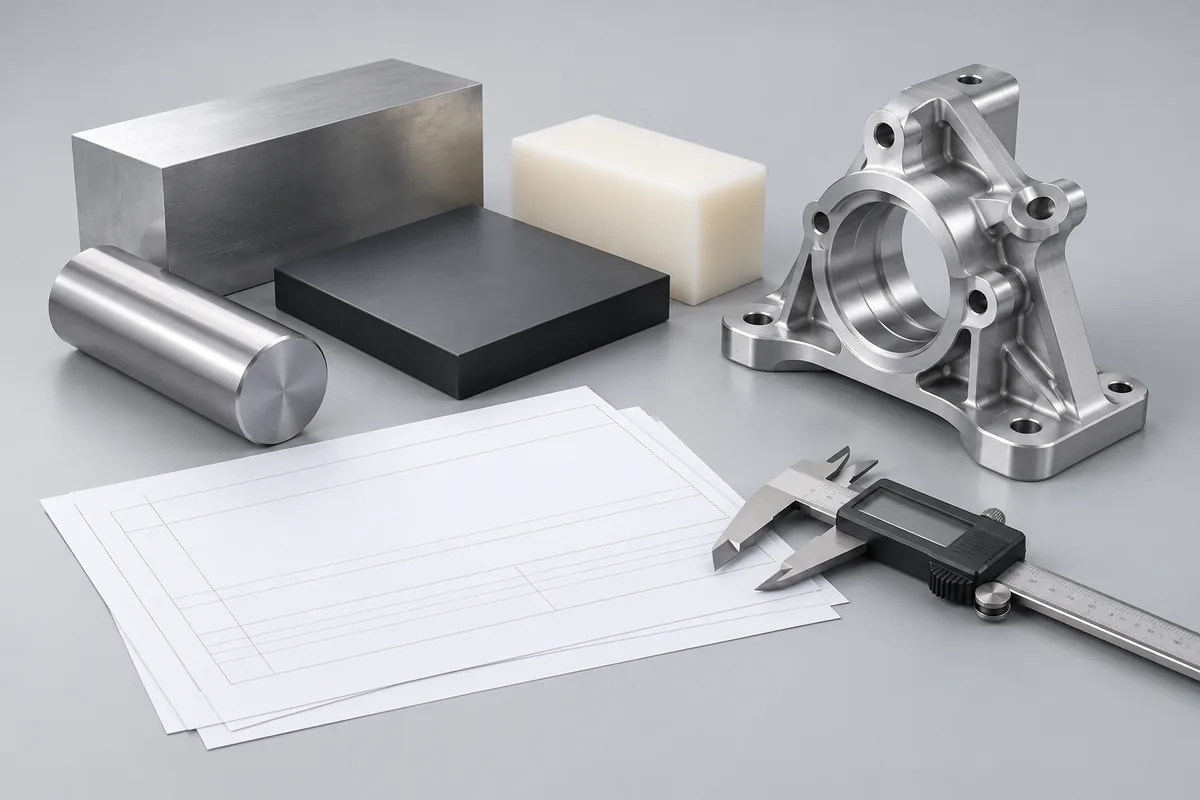
Pair the model with a drawing. A STEP or IGES model communicates geometry. A dimensioned PDF communicates the revision, datums, tolerances, material, finish and requirements that may not be contained in the…
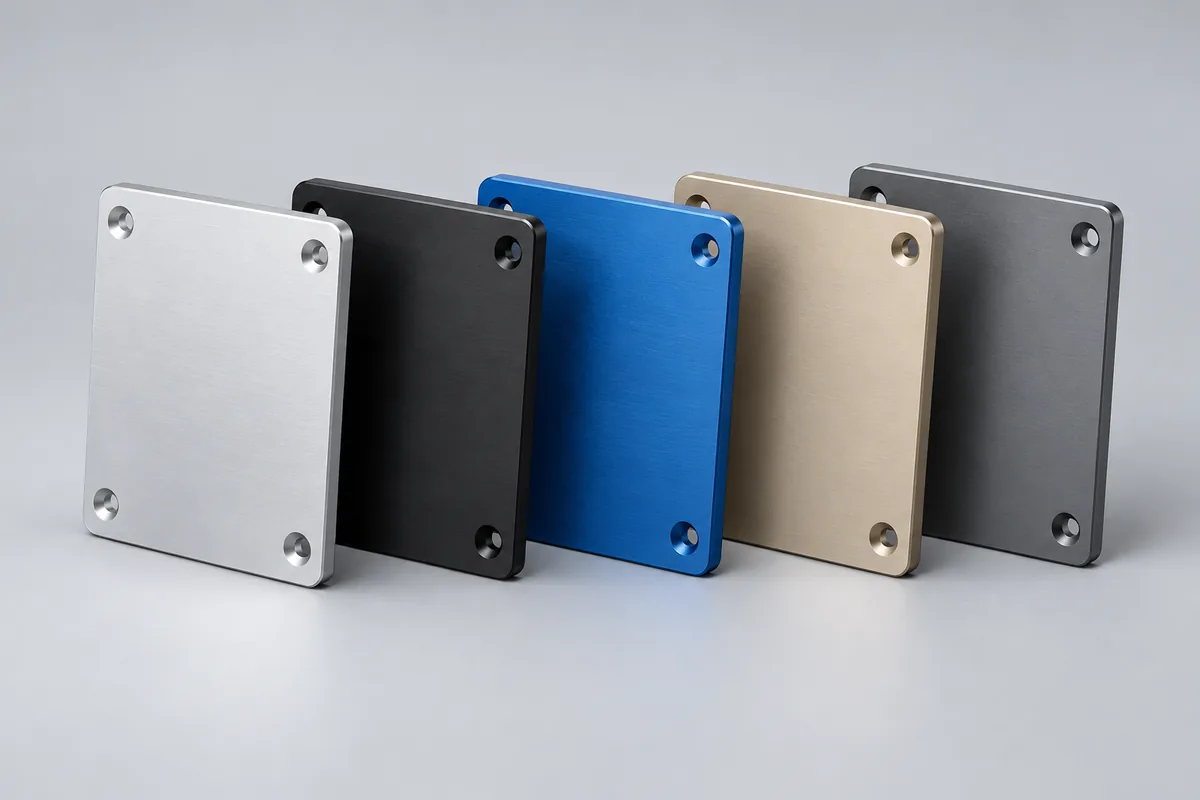
Separate color from texture. A color reference does not specify brushing, blasting, machining marks, gloss or allowable variation. Mark the visible faces and explain how adjacent parts will be viewed together. Use…
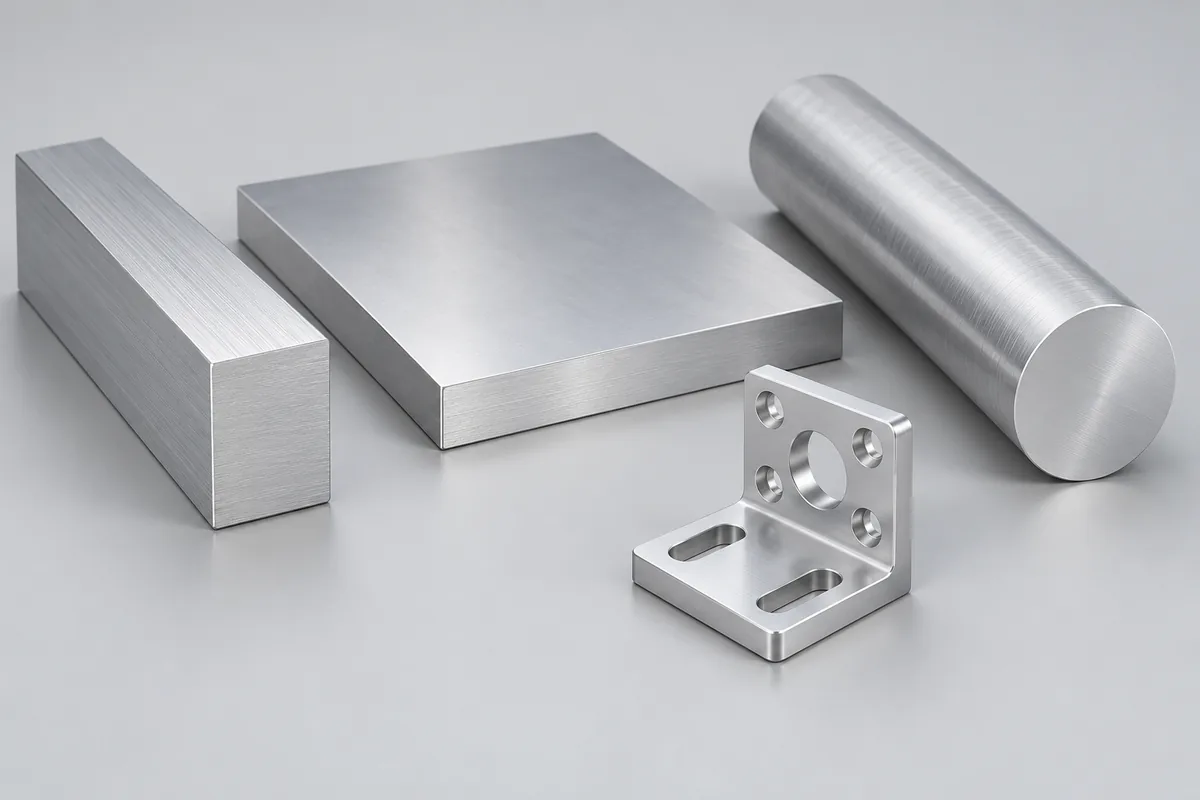
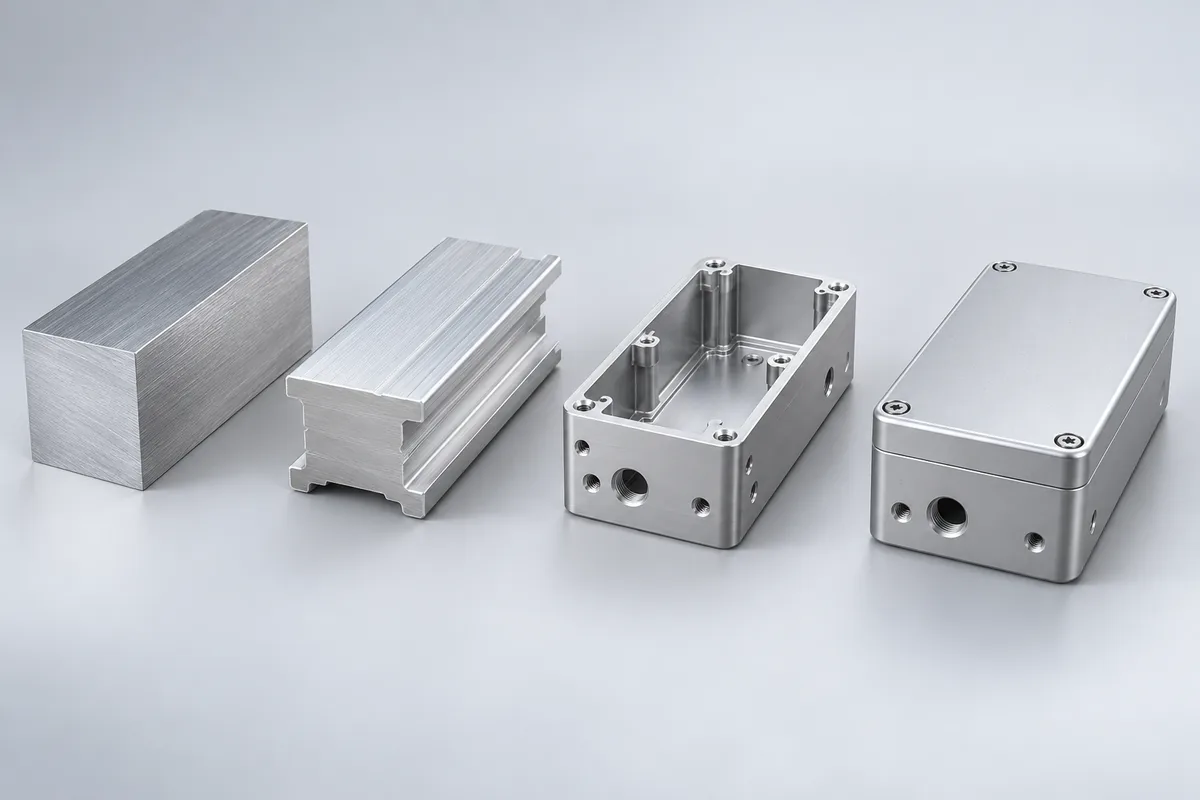
Start with the part form. A machined housing, a bent cover and an extruded rail can require different aluminum specifications. Choose the stock form and process before treating alloy numbers as alternatives.…
Discuss confidentiality and any NDA requirements before sending sensitive drawings. You can begin with a non-sensitive description of the component, quantities and manufacturing needs, then agree how protected information should be shared.…
State the required standard, supplier qualification, material evidence and product tests with the enquiry. These are different kinds of evidence and cannot be substituted for one another. Distinguish the evidence A material…
A custom-part project can involve selected production partners and several secondary operations. JUNCHU coordinates the drawing questions, process sequence, finished interfaces and agreed checks for the scope confirmed in the quotation. Confirm…
Yes. A sketch, photos, a reference-part description or a clear explanation of function can start the discussion. An initial enquiry helps identify what information is still needed; it is not a substitute…