1. Identify Every Part and Revision
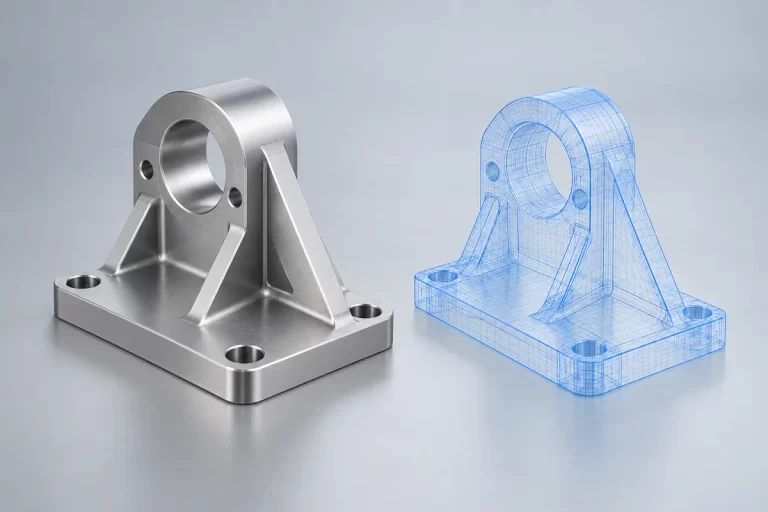
Include a part number, description, drawing revision and quantity for each item. Send a dimensioned PDF alongside a STEP or IGES model when available. A 3D model alone may not define tolerances, threads, cosmetic faces or inspection requirements. Identify the controlling document if files disagree.
2. Define Material, Finish and Function
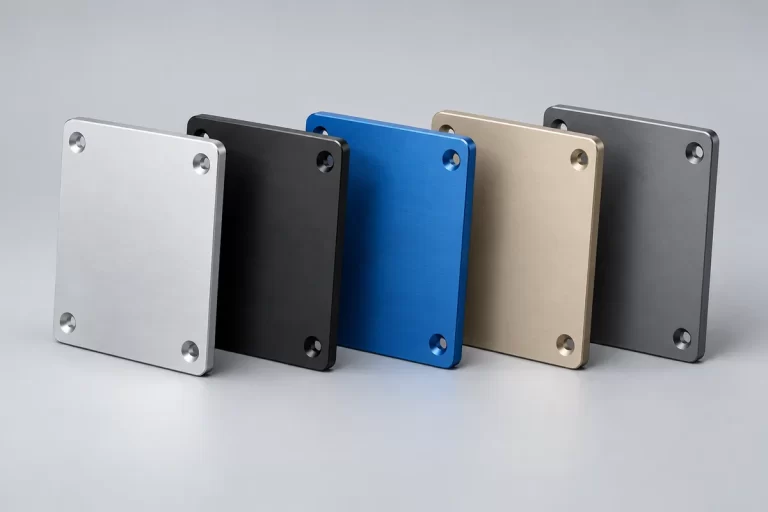
Specify the alloy or resin grade, material condition, color and finish specification. Mark critical fits, datums, visible faces and areas to remain untreated. Include the mating-part drawing or assembly context where it affects fit. If a requirement is still open, identify it as a point for review rather than assuming a default.
3. Separate Samples and Production Quantities
State the sample quantity, initial batch size and expected repeat demand separately. Provide the required delivery date and destination, and clarify whether that date means dispatch or arrival. For tooling projects, identify sample approval steps and separate tool investment from recurring part costs.
4. Agree the Acceptance and Delivery Scope
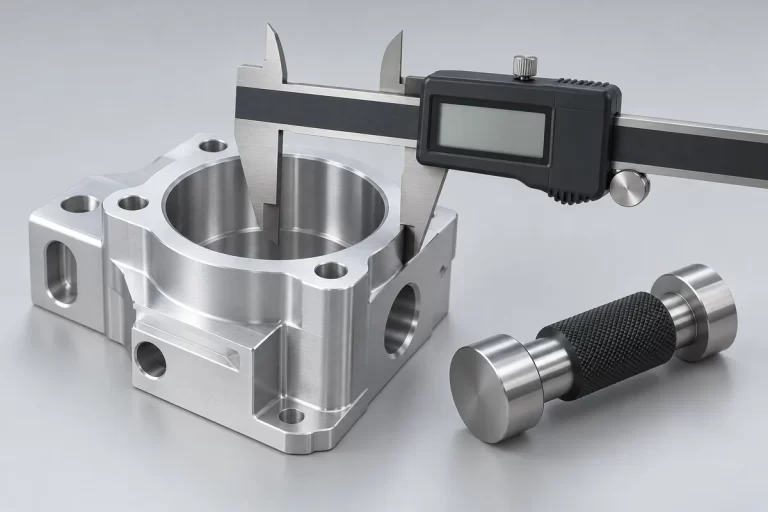
List required dimensional reports, first-article checks, material records and any separately agreed functional tests. Define packaging, identification and supplied hardware. Request confirmation of the drawing revision and any open technical points before production release.
Before Sending Confidential Files
Discuss confidentiality or NDA requirements before sharing sensitive project data. Share only the information needed for the enquiry and remove unrelated personal or customer information. If CAD is not ready, photos or sketches can start a discussion; manufacturing quotation may need further clarification.
Discuss your project or email your enquiry package to rfq@junchumfg.com.
Separate quotation inputs from production approval
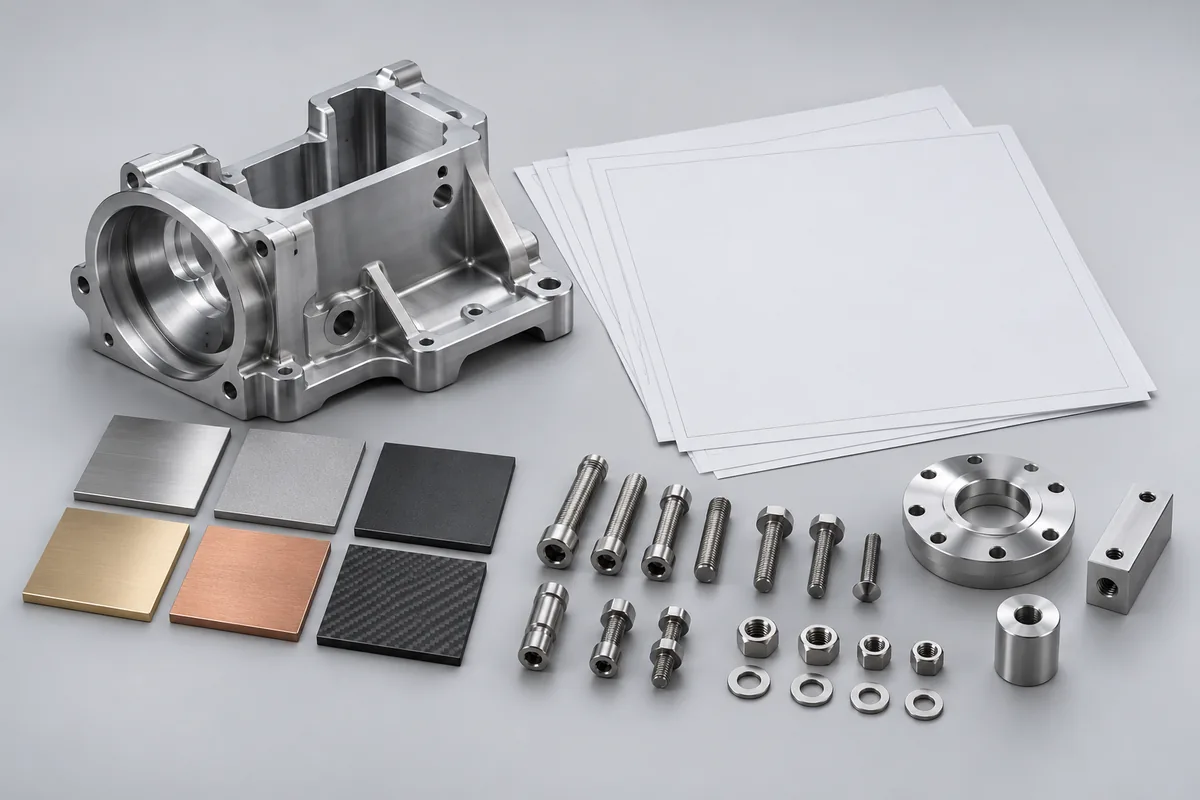
An early enquiry can identify open questions, but production should use an approved configuration. Before release, bring together the accepted drawing and model revisions, material condition, finish reference, inspection scope and BOM where applicable.
Record changes and exceptions
List any approved alternative, drawing exception or excluded operation in the quotation or approval record. State whether a revision requires a new sample, a first-article check or revised tooling. This prevents an old approval being applied to a part that has changed.