Choosing extrusion or machining is a decision about the starting form and the complete manufacturing route. The best starting point depends on the component shape, quantity, design stability and finished interfaces.
When a repeated section favors extrusion
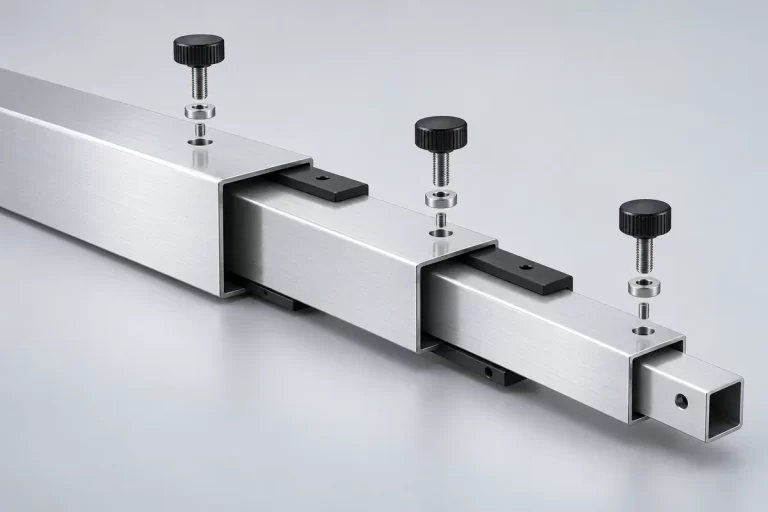
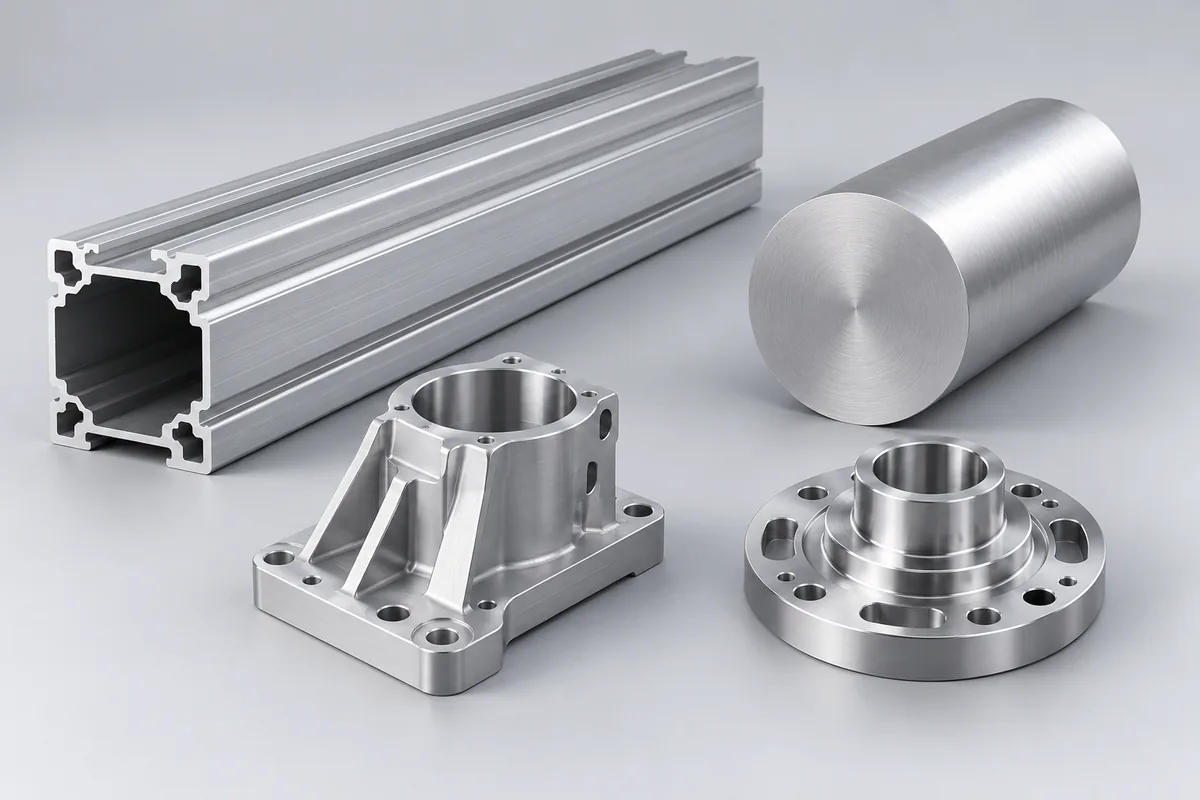
An extruded profile has a constant cross-section along its length. Channels, ribs and enclosure features can be built into that section, then cut to the required lengths. Holes, end details and other length-specific features are added afterwards.
This route is worth reviewing when the same section is used repeatedly or in several lengths. The die, minimum run and sample process become part of the project cost and schedule.
When machining from stock can be useful
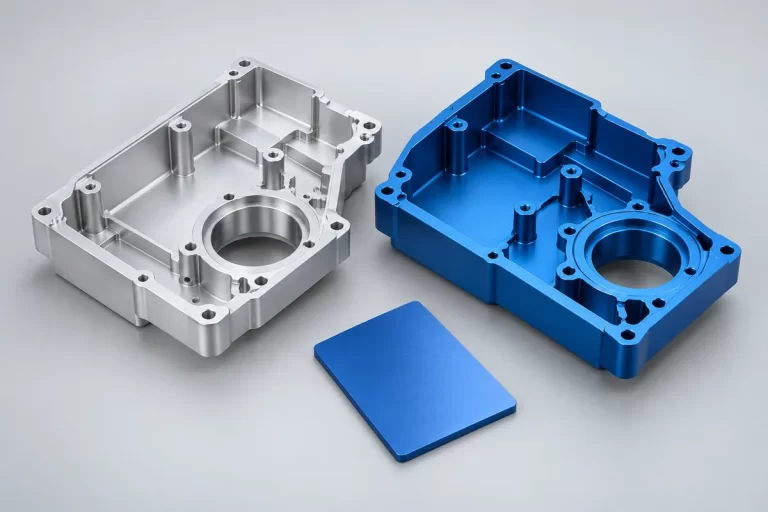
A machined starting form can suit an early prototype, changing geometry or features that do not follow a constant section. It avoids an extrusion die for the initial parts, but material removal, tool access and setup count still affect cost.
Deep pockets, thin walls and inaccessible surfaces can complicate a fully machined design. A part that is simple to draw is not always simple to hold and cut.
Compare the finished component
- Geometry: which features repeat along the length, and which need secondary work?
- Quantity: what is needed now, and what repeat demand is reasonably expected?
- Design stability: is the section ready for a dedicated die?
- Interfaces: which faces, holes and threads control assembly fit?
- Finish: which surfaces are visible, treated or masked?
A route for an enclosure
An enclosure with a repeated internal channel may use an extruded body, machined connector openings and separate end plates. A low-quantity development version may instead be machined from stock to evaluate the interfaces before tooling. This is a planning example, not a claim about a completed customer order.
Separate One-Time Work from Repeat Part Cost
Identify die development, programming, fixtures and trial work separately from recurring material, machining and finishing. A fully machined route can still need dedicated workholding. Compare the cost for the expected release quantities and design revision, and confirm which costs would be reviewed again after a section or interface changes.
Prepare a useful comparison
Send the section and complete part drawing, material condition, initial and repeat quantities, finish and critical mating features. Ask for the tooling, secondary operations and inspection scope to be identified separately.
Explore aluminum extrusion, CNC machining and the manufacturing applications.