Anodized appearance is influenced by decisions made before the part reaches surface treatment. Material, machining and handling should be planned with the final visible surfaces in mind.
Specify the base material
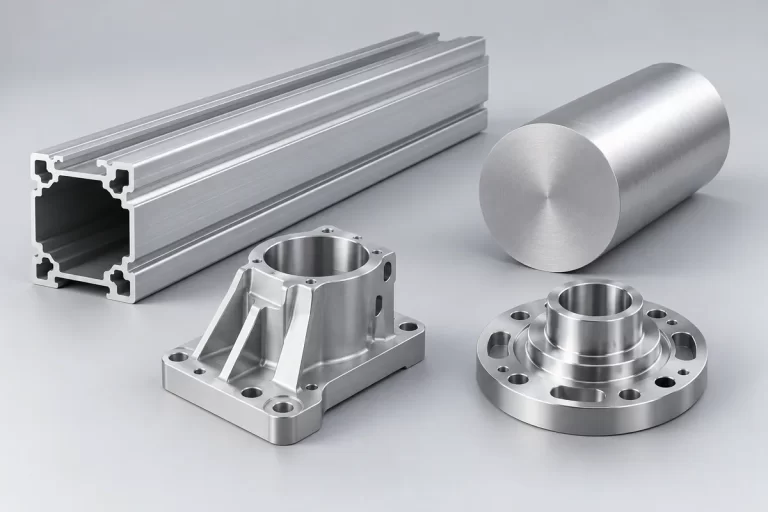
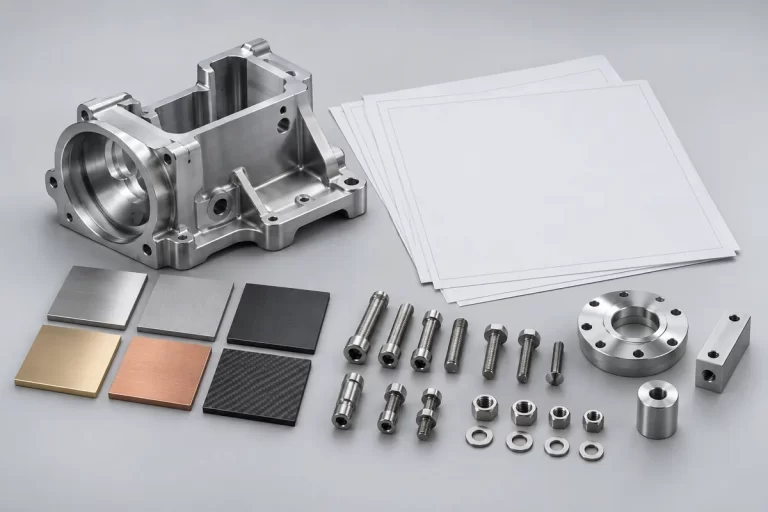
State the alloy, temper and starting form. Different alloys and material conditions may respond differently to the same treatment, so a shared color name does not establish an exact match between unrelated components.
For connected parts with critical appearance, discuss the material and sample strategy together.
Identify cosmetic surfaces
Mark visible faces and explain whether parts will sit side by side or be viewed separately. Distinguish decorative areas from functional contact, sliding or sealing faces.
Define the intended texture and any acceptable machining marks. Anodizing does not automatically conceal scratches, inconsistent tool patterns or surface damage.
Agree a physical reference
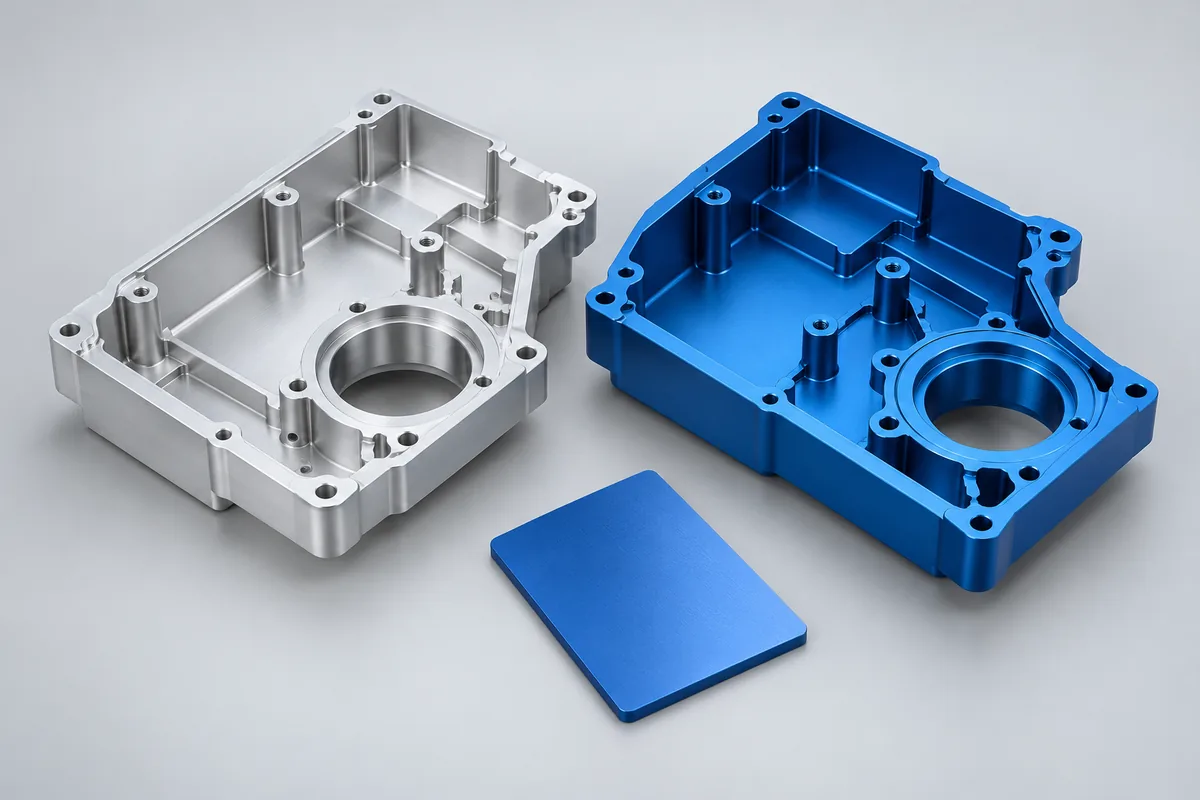
Use a suitable reference sample when appearance is important. Viewing conditions, gloss, texture and allowable variation should be considered together; a photograph or screen color is an initial communication aid.
Protect fits and contact areas
Identify bores, threads and mating faces that must meet dimensions after treatment. Mark grounding or bonding areas that must remain untreated. Masking boundaries and contact marks should be reviewed before processing.
Keep the Appearance Reference Traceable
Record the sample reference, part revision, visible faces and agreed preparation. For assemblies with adjacent pieces, identify which components must be compared together and how they will be oriented. Review a material, texture or treatment change before relying on the earlier sample. This gives machining, finishing and receiving inspection a shared reference when a later batch is ordered.
Inspect and pack in the final condition
- Check the agreed appearance zones against the reference and viewing conditions.
- Verify masked areas and finished mating features.
- Request any specified finish records with the order.
- Separate cosmetic faces so completed parts do not rub during handling or transport.
A clear finished-part requirement helps machining, finishing and inspection work toward the same result. Explore surface finishing and the anodized appearance guide.