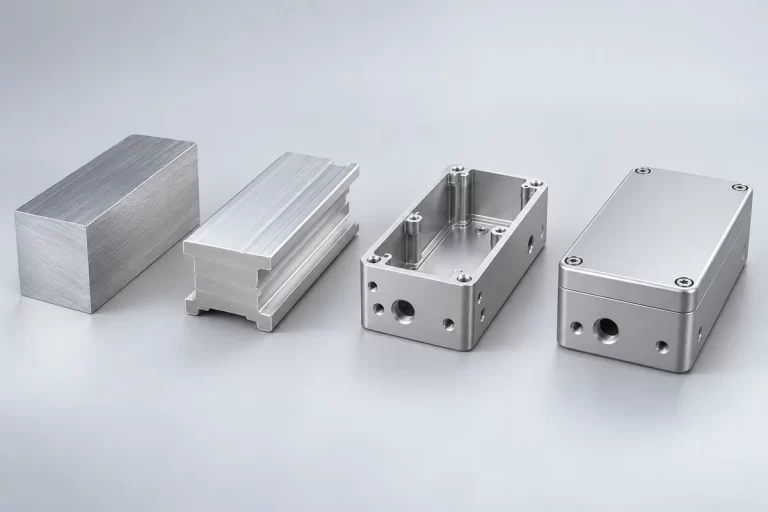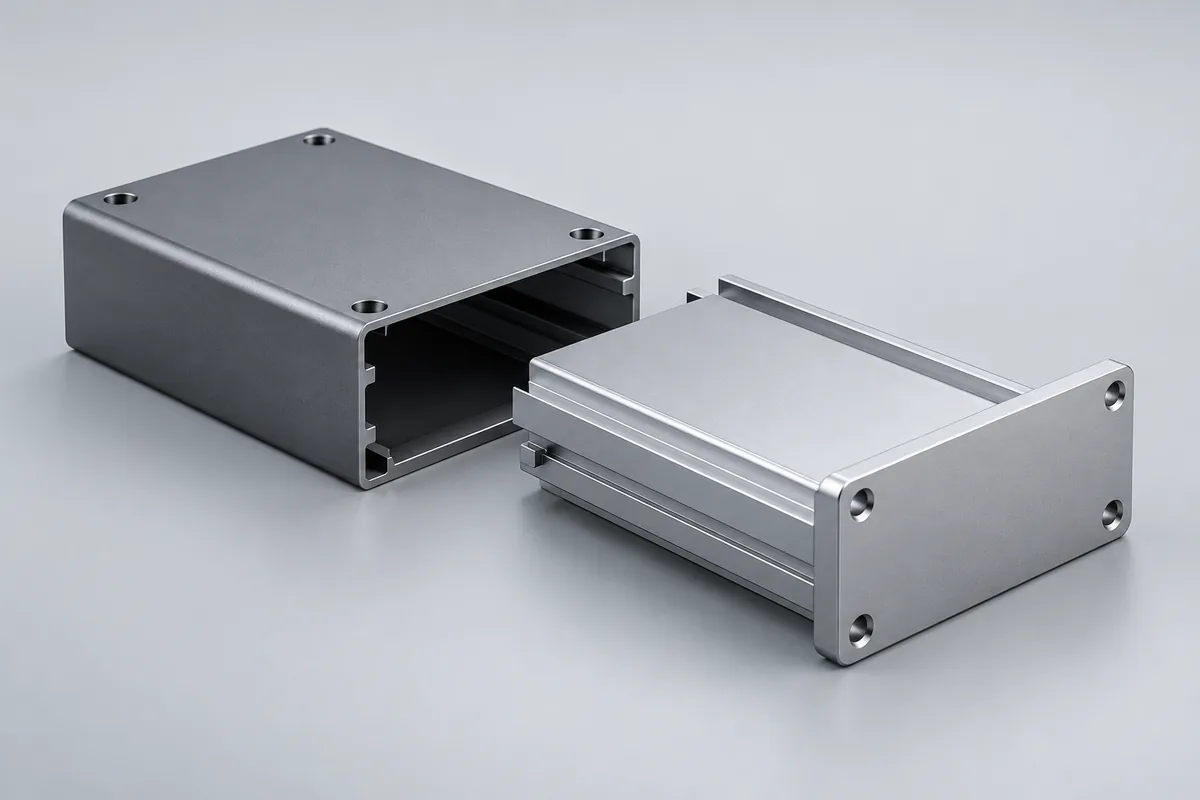
Specify appearance and fit together. A finish description such as “black anodized” or “powder coated” does not define texture, visible faces, allowable variation or the final mating dimensions.
Define the cosmetic zones
Mark surfaces that are visible in normal use and distinguish them from hidden or non-cosmetic surfaces. Agree a suitable reference for color, gloss and texture. Viewing conditions and acceptable variation should be recorded where appearance is important, particularly for parts supplied together.
Protect functional interfaces
Identify bores, threads, electrical contacts, sliding surfaces and other areas that may require masking or a different treatment. State which dimensions must be met after finishing. Do not rely on an untreated sample to approve the fit of a coated or anodized assembly.
Approve a representative sample
Review the intended base material, pretreatment and final treatment together. Record the approved reference and packing requirements so cosmetic surfaces are protected during handling and delivery. Changes to alloy, texture or process may require a renewed appearance review.