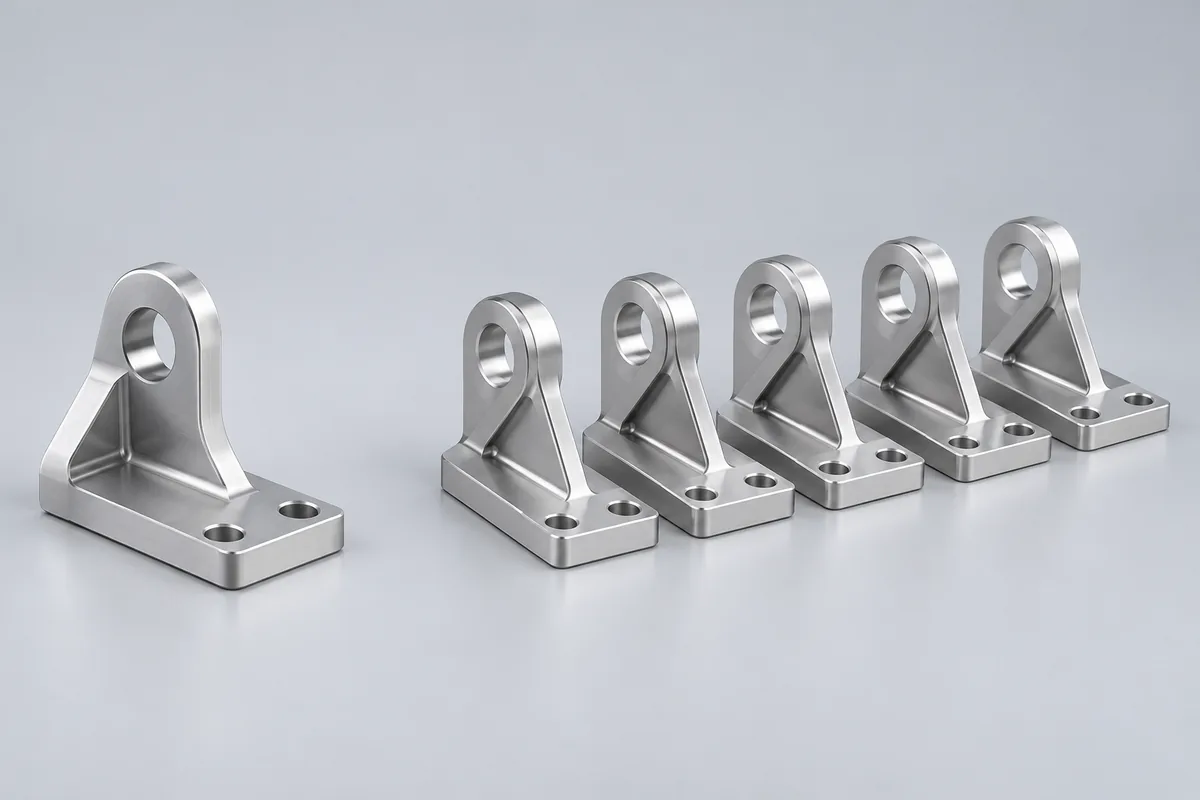
Yes. A prototype order can help resolve geometry, assembly and open specification questions before a production batch. Share the sample quantity and expected repeat volume so the starting form, tooling and approval plan can be considered together.
Define what the prototype must prove
Identify the interfaces, travel, fastening, cosmetic surfaces or operating conditions to be checked. A sample made only to confirm overall fit does not automatically validate fatigue life, sealing, temperature performance or another product-level requirement. Define any test method and acceptance criteria separately.
Compare the sample and production routes
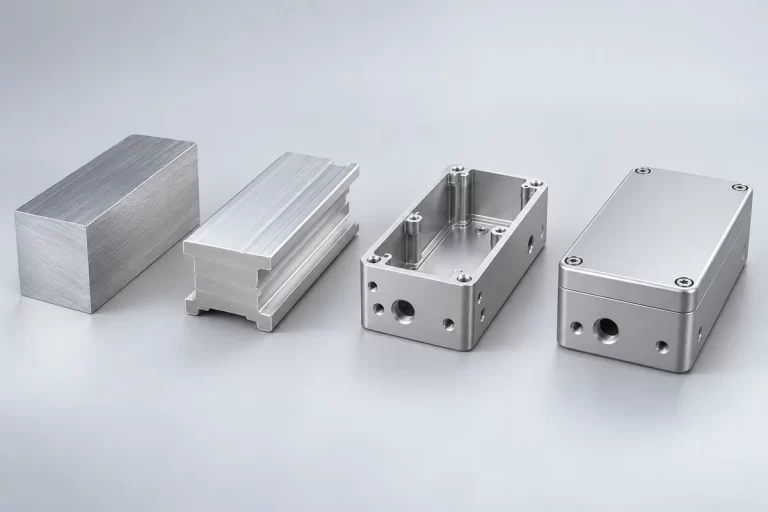
A machined sample may avoid dedicated tooling during development, but it may differ from a later extruded or molded part in stock condition, internal stress, texture or process-related variation. Record the intended production material and route, and identify which prototype results can reasonably transfer to that route.
Approve a recorded configuration
Keep the accepted model, drawing revision, material condition, finish and inspection scope together. List changes and unresolved items after the sample review. A revised interface or finish may need another sample or first-article check before a repeat batch is released.